NVIDIA Chip Verification Engineer Jobs
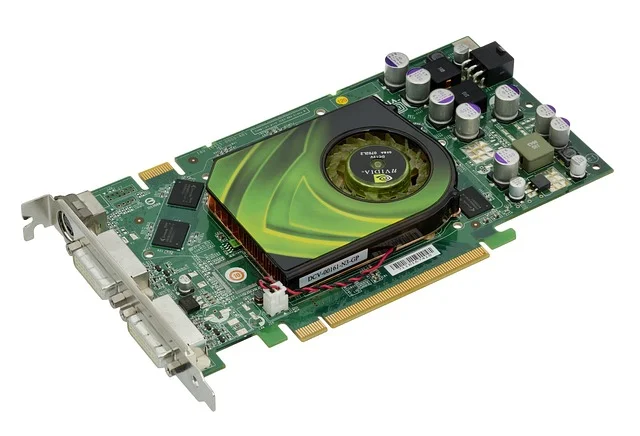
A modern NVIDIA GPU has billions of gates and an execution-state space no simulator can fully enumerate, so the verification team's job is to catch the bugs that matter before tape-out. That constraint shapes every NVIDIA chip verification engineer role: the cost of re-spinning an advanced-node die is high enough that coverage closure is treated as a hard gate, not a nice-to-have.
The day-to-day is UVM testbench development, coverage model authoring, regression triage, and driving functional closure on individual design blocks. You write constrained-random tests in SystemVerilog, then chase the last few percent of coverage that random stimulus never reaches with directed tests and formal, the same closure discipline that defines Apple silicon verification engineer jobs.
NVIDIA verification teams pair simulation with formal verification in JasperGold and Synopsys VC Formal, hardware emulation on Cadence Palladium and Synopsys Zebu, and FPGA prototyping. The simulation infrastructure, including in-house performance models, is some of the most built-out in the industry, which is part of why the roles attract candidates with deep UVM verification backgrounds.
Which block you own changes the work substantially. GPU shader engines, NVLink interconnect coherency, the PCIe interface, HBM and GDDR memory controllers, video encoders and decoders, and the GPC and TPC cluster hierarchy each have their own verification plan. NVLink and HBM controller verification tend to be the most demanding seats.
Roles sit across Santa Clara, CA, Austin, TX, Bangalore and Hyderabad in India, and Yokneam in Israel. Most want strong SystemVerilog and UVM plus experience with coverage-driven and constrained-random methodology; knowledge of GPU architecture, formal, or Python testbench automation is what separates candidates. These sit next to NVIDIA's ASIC design roles for engineers who want to move between design and verification.
Total compensation is competitive with the rest of the AI-silicon market; the salary guide lists ranges by level. To see everything currently open, browse the verification jobs filter and set an alert on SemiDesignJobs for NVIDIA postings.
FAQ
What verification methodology does NVIDIA use
NVIDIA combines UVM-based constrained-random simulation with formal verification in tools like Cadence JasperGold and Synopsys VC Formal, plus emulation on Palladium and Zebu. Coverage closure is a critical metric across every verification team, and directed tests fill the gaps random stimulus leaves.
What GPU blocks do NVIDIA verification engineers work on
Typical blocks include GPU shader engines, NVLink interconnect, the PCIe interface, HBM and GDDR memory controllers, video encoders and decoders, and the GPC and TPC cluster hierarchy. NVLink and HBM controller verification are among the most demanding assignments.
How competitive are NVIDIA chip verification engineer jobs
They are highly competitive and draw candidates with strong UVM skills and real ASIC verification experience. Knowledge of GPU architecture, formal verification, and Python-based testbench automation gives applicants a clear edge over generalists.